
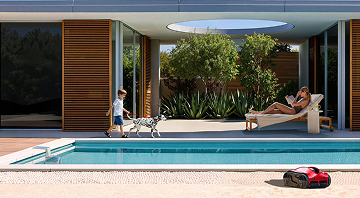



01Test your water
Measure TA and pH with fresh test reagents. A common TA reference band is 80–120 ppm; follow your equipment guidance.





✦ Pool Chemistry
Bring balance to your pool. Plan a total alkalinity adjustment using water volume, test readings and your preferred chemical.
Calculation guide
A measured routine for more consistent water balance.
Measure TA and pH with fresh test reagents. A common TA reference band is 80–120 ppm; follow your equipment guidance.
Enter the water volume in US gallons or liters. Use your pool dimensions or documented capacity.
Sodium bicarbonate raises TA. Acid products lower it and also affect pH. Check the product concentration.
Follow the label, wear appropriate protection and keep swimmers out during treatment. Never combine pool chemicals.
FAQ
Check total alkalinity before fine-tuning pH. Alkalinity buffers pH, so pH is easier to hold once TA is in range.
The dose depends on pool volume, the gap between current and target TA, and the chemical. For example, about 1.5 lb of sodium bicarbonate raises 10,000 gallons by 10 ppm.
It depends on the shock. Acidic non-chlorine shock can lower alkalinity over time. Calcium hypochlorite is more likely to nudge alkalinity up or leave it near neutral. Retest after treatment.
70 ppm is usually swimmable, but it sits below the common 80 ppm minimum. pH can drop more easily, so raise TA back into the 80–120 ppm band.
pH measures how acidic or basic the water is. Total alkalinity measures how strongly the water resists a pH change. Low TA makes pH harder to hold.
Yes. Pool sodium bicarbonate and grocery baking soda are the same chemical. This calculator uses that product to raise total alkalinity.
Liquid chlorine and cal-hypo are alkaline and can nudge TA upward over time. Salt systems can also push pH up. Recheck during the swim season.
High TA can lock pH high, cloud the water and encourage scale. Swimming is often still possible, but bring TA down with the labeled acid dose and retest.
Rain is acidic and dilutes alkaline buffers. After the rain stops, circulate the water, then test again before adding chemicals.
With the pump running, many bicarbonate treatments are approached again after about 45 minutes to 1 hour. After acid, wait until the water has circulated and a retest is acceptable. Follow the product label.