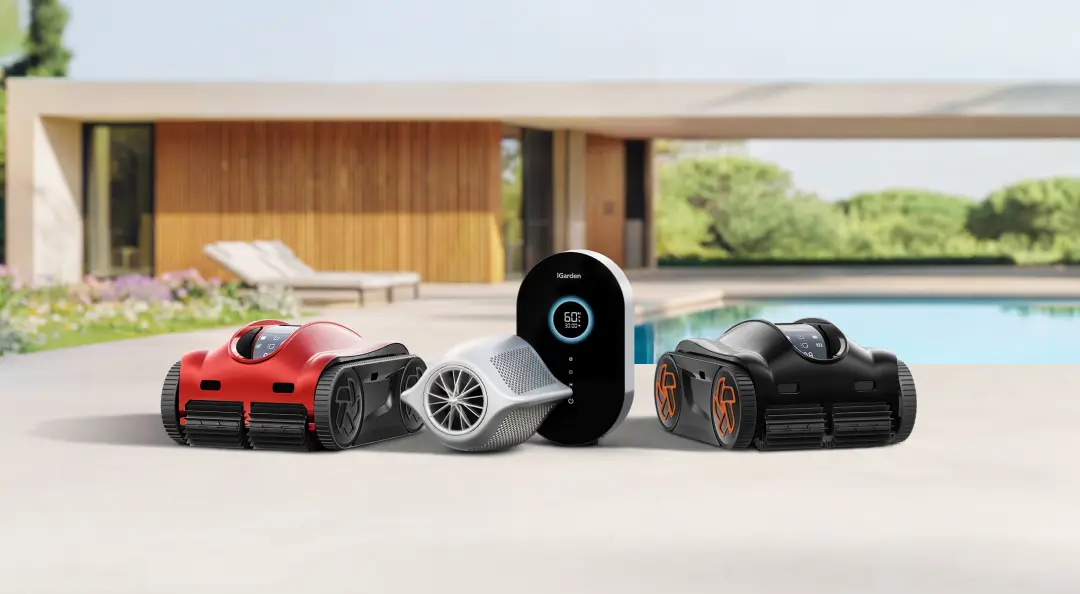


Corrosive Water
- Permanently etches pool plaster
- Dissolves tile grout over time
- Rapidly corrodes metal heaters and ladders
- Water appears cloudy or metallic



✦ Pool Chemistry
Calculate your pool’s Langelier Saturation Index (LSI) to keep water balanced and protect your pool surfaces.
Enter your latest pool test results below.
The most critical LSI variable. A 0.1 change in pH shifts the LSI by 0.1; lower pH tends toward corrosive and higher toward scale.
Acts as a pH buffer. High TA keeps pH stable but makes it harder to adjust; low TA causes pH bounce.
Calcium is the raw material for scale. Too little leaches calcium from plaster; too much precipitates as white deposits.
CYA buffers a portion of alkalinity, so the LSI calculation removes about one third of CYA from total alkalinity.
Total dissolved solids affect ionic strength. Salt pools typically run around 3200 ppm.
Warmer water raises LSI; cold water can become corrosive, especially in winter.